By Jennifer Thomas, Ph.D, AP
“i am
not wounded i am bleeding to life
we need a god who bleeds now
whose wounds are not the end of anything[1]”
Imagine how life would be if menstruators could communicate with their bodies to learn why they experience period pain and how to address this discomfort. While such musings may sound a bit fantastical, according to Ayurveda, menstrual cramps and the menstruation experience in general are an invitation to engage in such a conversation.
This intimate communication could help restore agency to suffering menstruators by empowering them with knowledge for how to minimize or possibly eradicate period pain. The balancing effect of this knowledge on the body and mind supports wellness or what the poet Ntozake Shange aptly calls “bleeding to life” in her reflections on menstruation. Period cramps and other menstrual issues are barometers of health. When corrected, menstruators can exist with more ease in life.[2]
The dreaded menstrual cramp plaguing up to 95% of menstruators evokes a constellation of pain experiences ranging from annoying discomfort to debilitating, sharp, throbbing lower abdominal pain that may also radiate to the low back and/or thighs.[3] The accompanying nausea, vomiting, bloating, loose stools, constipation, headaches, dizziness, and fatigue compound period pain for some people. Such complications cause 15% of menstruators to lose time from work, school, and other daily activities in severe cases.[4]
Unfortunately, this low statistic reflects the chronic underdiagnosis of this condition. Many menstruators under-report period pain due to shame, stigma, and the dominant view that such pain is normal.[5] However, these statistics demonstrate what so many menstruators already know — period pain remains a significant health problem that causes immense suffering. Why are so many people suffering from these symptoms? Before addressing the “why,” it is important to review the ways Western medicine understands menstrual pain.
Dysmenorrhea, or period pain, generally begins a few days before the period onset or at the start of menstruation, lasting generally one to three days. Western medicine categorizes menstrual pain in two main ways: primary dysmenorrhea and secondary dysmenorrhea.
Primary dysmenorrhea is the menstrual discomfort commonly understood as “normal” period pain. Normal in this context is menstrual pain that occurs just before or during the course of menstruation and an underlying medical condition is not the cause. This pain also usually occurs when menstruation begins for the first time, also called menarche, and can decrease with age.
Secondary dysmenorrhea occurs as a consequence of an underlying medical condition such as endometriosis, fibroids, adenomyosis, pelvic inflammatory disease, and cervical stenosis.[6] This pain can occur at any time with or without bleeding. Interestingly, the absence of disease as the defining feature of primary dysmenorrhea spotlights the gap in understanding regarding the causes of this condition. It is within this gap, however, that Ayurveda helps to explain not only “why” but how to effectively address this problem permanently.
So, what are cramps?
Each month as the uterus prepares to expel the uterine lining (the endometrium) during menstruation, the brain signals to the uterus to secrete hormone-like substances called prostaglandins. These substances cause uterine muscles to contract in a twisting motion necessary for the efficient removal of the endometrium. Under normal circumstances this twisting motion should be felt as sensation without pain.
When there is an excessive secretion of prostaglandins, the uterus contracts more. The excessive contraction of the uterus constricts blood vessels and therefore oxygen to the uterus. This circulatory challenge then causes spasms or cramps because of restricted blood flow. Oftentimes pain accompanies restriction or blockage in the body.
So, why do some bodies excrete excess prostaglandins? According to allopathic (Western) medicine the answer to this question is unknown.[7] Ayurveda offers an answer by examining a menstruator’s symptoms to determine the possible causes. These causes, when taken in conjunction with a person’s constitution, or unique physical and mental make-up, will help determine the type of cramps and guide the course of action for addressing the pain. Moreover, the type of cramps reflects the particular kind of imbalances present generally within a menstruator’s body. Therefore, the root cause of cramps is oftentimes a root linked to the manifestation of other health problems an individual may experience. This reality is important because it demonstrates how menstruation and its challenges are part of the larger health picture the body reveals each month through menstruation. The details of one’s dysmenorrhea, while admittedly challenging, signal imbalance in the reproductive system and beyond. Learning how to interpret one’s cramps is literally a process of reconnecting with your inner wisdom, a process that is integral for healing.
A defining feature of period cramps, according to Ayurveda, is the disruption of the downward pressure the body exerts in the pelvic region. This downward pressure fosters elimination of the uterine lining. How this disruption manifests will depend upon the type of other imbalances present and how those imbalances impact the main players involved in the cramping process. As mentioned previously, the main players in the development of period cramps are:
1) the uterine lining,
2) prostaglandins,
3) uterine contractions,
4) blood, and
5) blood vessels.
In terms of bodily location, the focus is on the pelvis and abdominal region. The primary systems involved in period cramps are the reproductive system, the circulatory system, and the often forgotten digestive system. Period cramps emerge from various permutations and combinations of disturbances among the players in these systems.
A menstruator can have a cramp presentation exhibiting a dominant set of symptoms which indicate a particular kind of imbalance or could present with a spectrum of symptoms reflecting more complex imbalances. In other words, the number of possible types of cramps is equal to the total number of menstruators in the world. Below are three common presentations of dysmenorrhea according to Ayurveda.
While these categories provide a general framework for understanding the types of cramps and their accompanying symptoms, it is important to recognize that cramps can manifest across these categories.
| Type #1 Dry/Cold[8] Induced Cramps |
Type #2 Internal Heat Induced Cramps |
Type #3 Excess Stickiness & Density Induced Cramps |
|---|---|---|
Pain: Sharp abdominal pain that may radiate to the low back and thighs
|
Pain: Moderate pain
|
Pain: Dull pain
|
Type #1 Dysmenorrhea: Dry/Cold Induced Cramps
Understanding why a menstruator may have a type 1 presentation of period cramps requires focusing on the dominant imbalance, namely excess dryness and coldness or lack of heat due to restricted blood flow. Dryness can manifest as dry constricted blood vessels and a dry uterus, resulting in scanty blood flow. This lack of moisture impacts the quality of the endometrium which may also become clogged with dry toxins the uterus is trying to expel. This clogging obstructs the downward pressure needed to successfully detox or effectively shed the uterine lining. Secreting more prostaglandins is a way of summoning additional power to increase the downward pressure needed to expel the dry endometrium. More power means more spasms and contractions as the body navigates all the constriction and pressure which leads to pain in the system. Alongside dryness, there is also less heat in the system due to the decrease in blood leading to less blood flow in the uterus. This dryness and coldness can also exist in other parts of the body including the digestive tract, contributing to constipation and possibly more abdominal cramping. The obstructed downward pressure in both the uterus and digestive tract manifest as more pain while the body struggles to eliminate toxins.




Type #2 Dysmenorrhea: Internal Heat Induced Cramps
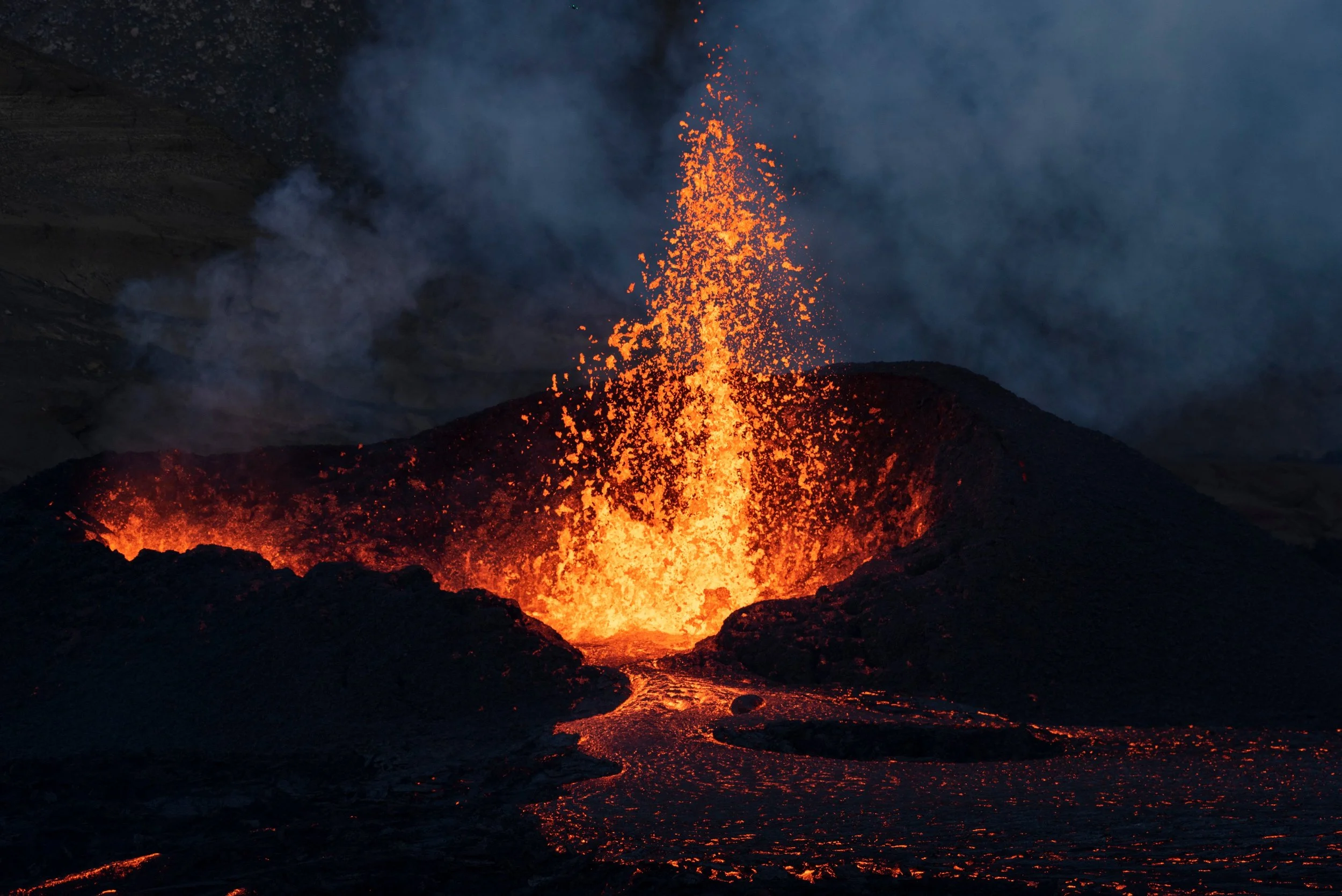
The second type of dysmenorrhea has less pain than type 1 and the primary cause is excessive internal heat. Unlike type 1 where there is a lack of heat and excessive dryness, the heat induced pain of type 2 cramps can manifest with a heavy blood flow and burning sensations. In this sense, there is too much moisture and an inflamed uterine lining. The endometrium may be inflamed because excessive internal heat causes the uterine tissue to ripen or reach maturity too rapidly. This quick ripening process causes the endometrium to become tender and sore. Consequently, as the uterus secretes prostaglandins, the twisting action causes pain as the system squeezes inflamed tissue. So, inflamed blood, blood vessels, and the presence of toxins increases heat which the body attempts to alleviate by eliminating larger amounts of blood quickly. This is a reason menstruators with type 2 cramps could experience early periods with heavy bleeding. As in the case of the dry and cold qualities of type 1 cramps, the internal heat quality exists in other parts of the body including the digestive tract. This heat contributes to symptoms like diarrhea and abdominal pain. Diarrhea is often the body’s attempt to eliminate excessive heat by adding water to stool to cool the system. In the case of type 2 cramps, the body again attempts to do its job of expelling the uterine lining but the inflammation in the body complicates matters. The downward pressure and twisting of inflamed uterine tissue causes cramping as the body attempts to perform its detoxification duties.



Type #3 Dysmenorrhea: Excess Stickiness and Density Induced Cramps
Type 3 dysmenorrhea also involves pain but this pain is dull resulting from excess density, stickiness, and obstruction in the system. Such excess could present as an overgrowth of the endometrium, thick slimy blood with clots, and water retention. As with the prior types of period pain, the body summons more prostaglandin power but this time to increase the expulsion of a thick heavy endometrium. Thick blood has a sluggish quality making it difficult to flow through the blood vessels. This heavy, dense, sticky quality also exists in the digestive tract, causing stagnation and toxin accumulation. Dr. Ankita Ingole, an Ayurvedic physician specializing in women’s health, explains that such accumulation which interrupts menstruation can lead to “a range of physiological and systemic imbalances” such as breast tenderness and swelling, “skin issues, hair fall, hot flushes, mood swings, and anxiety.[9] Obstruction causes lack of blood flow to some areas thereby increasing inflammation. This increase of inflammation or internal heat is a reason some menstruators might experience type 2 and type 3 cramps simultaneously.



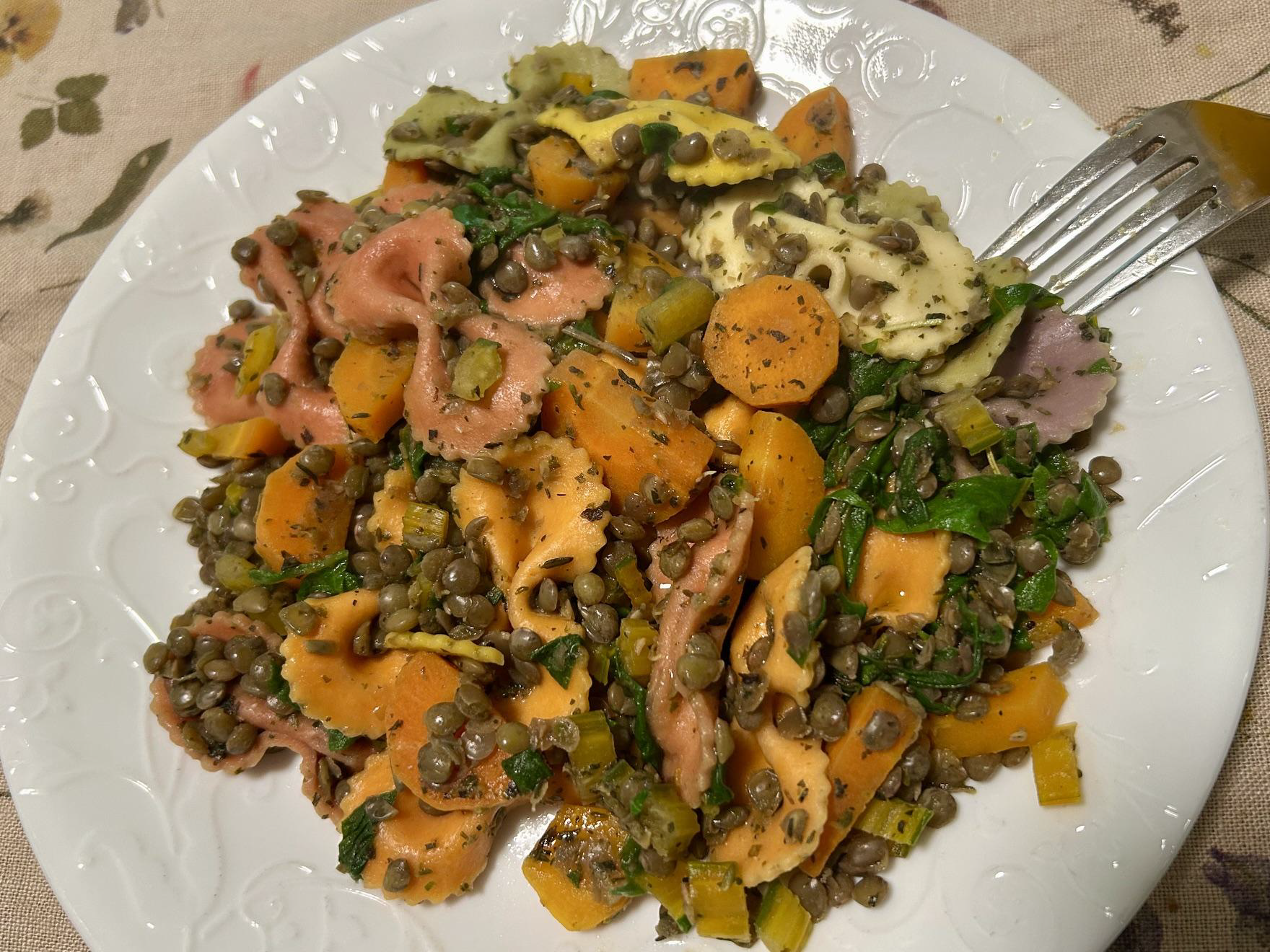
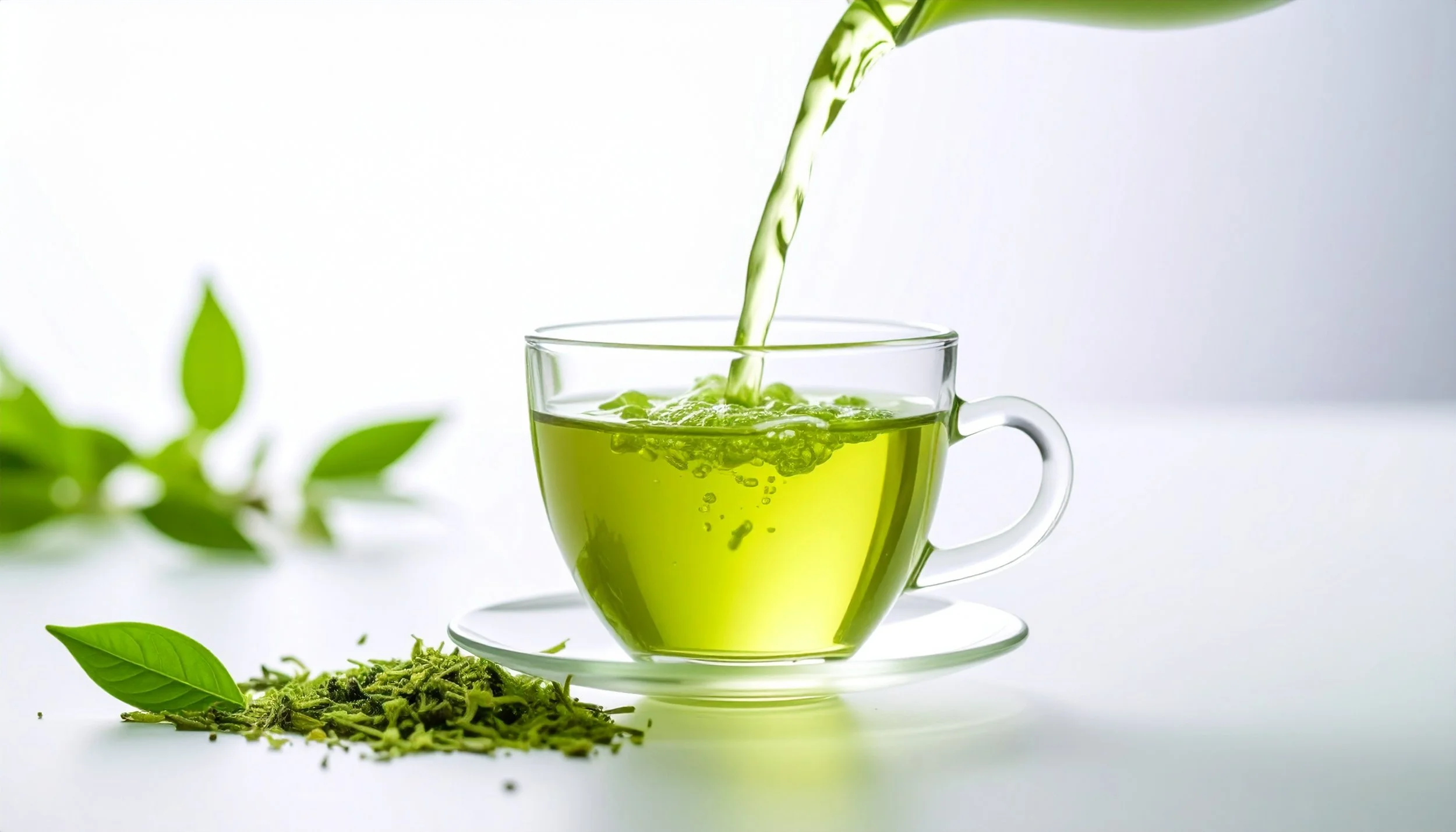
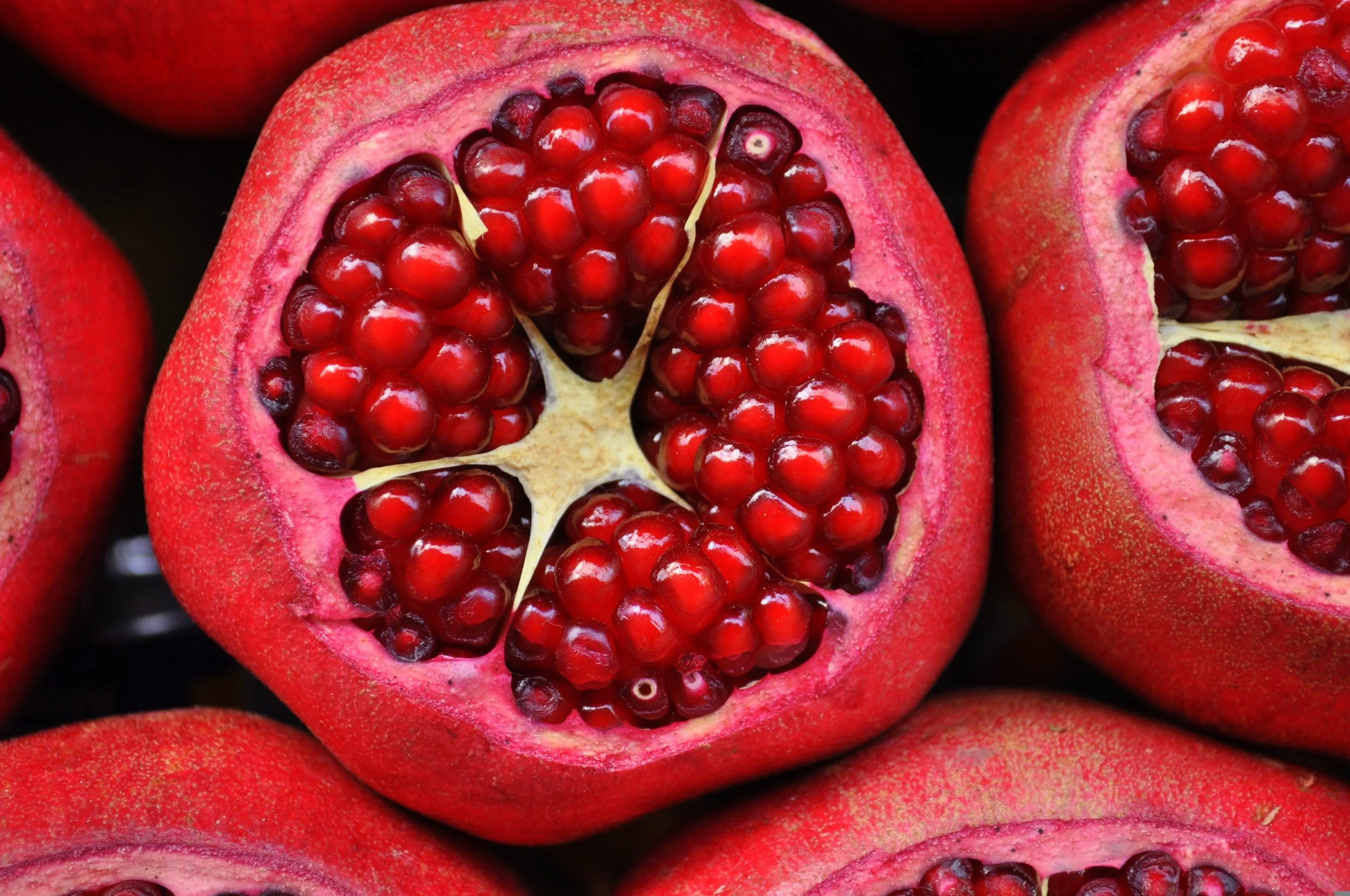
Effectively addressing period cramps requires learning how to incorporate diet and lifestyle changes that supply the body with what it needs to create balance. For all types of cramps, rest and slowing down to the extent possible are vital.
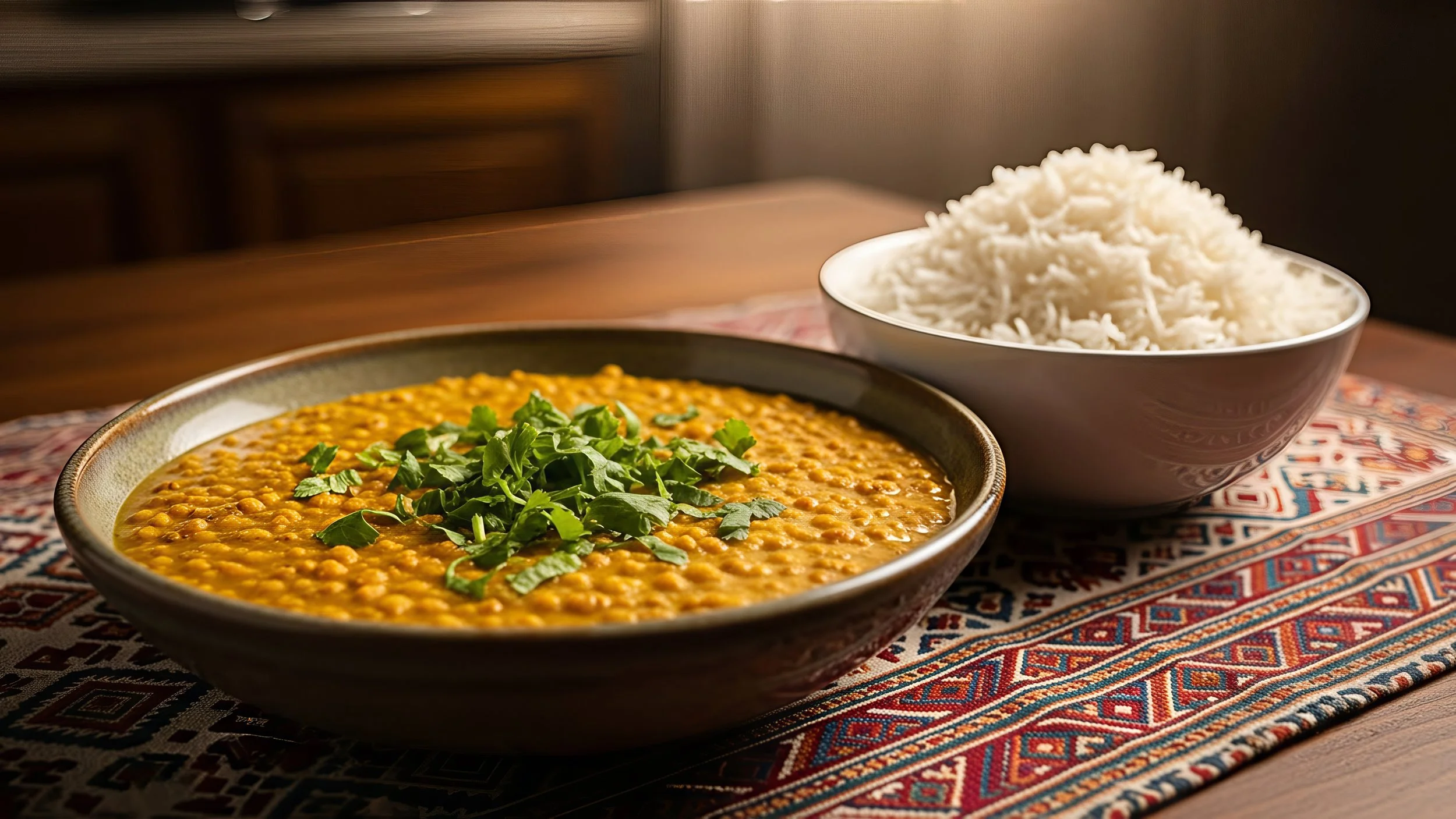
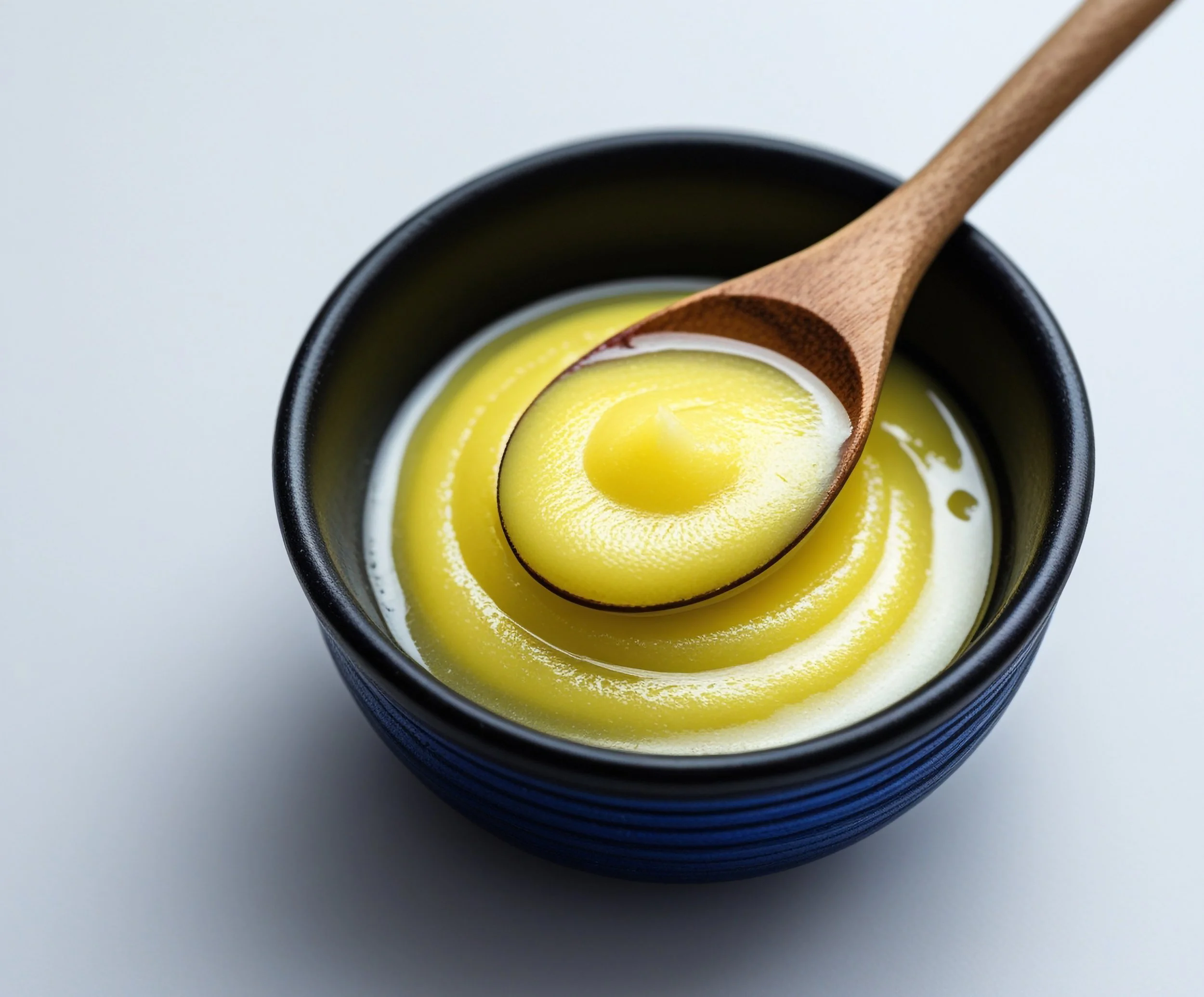
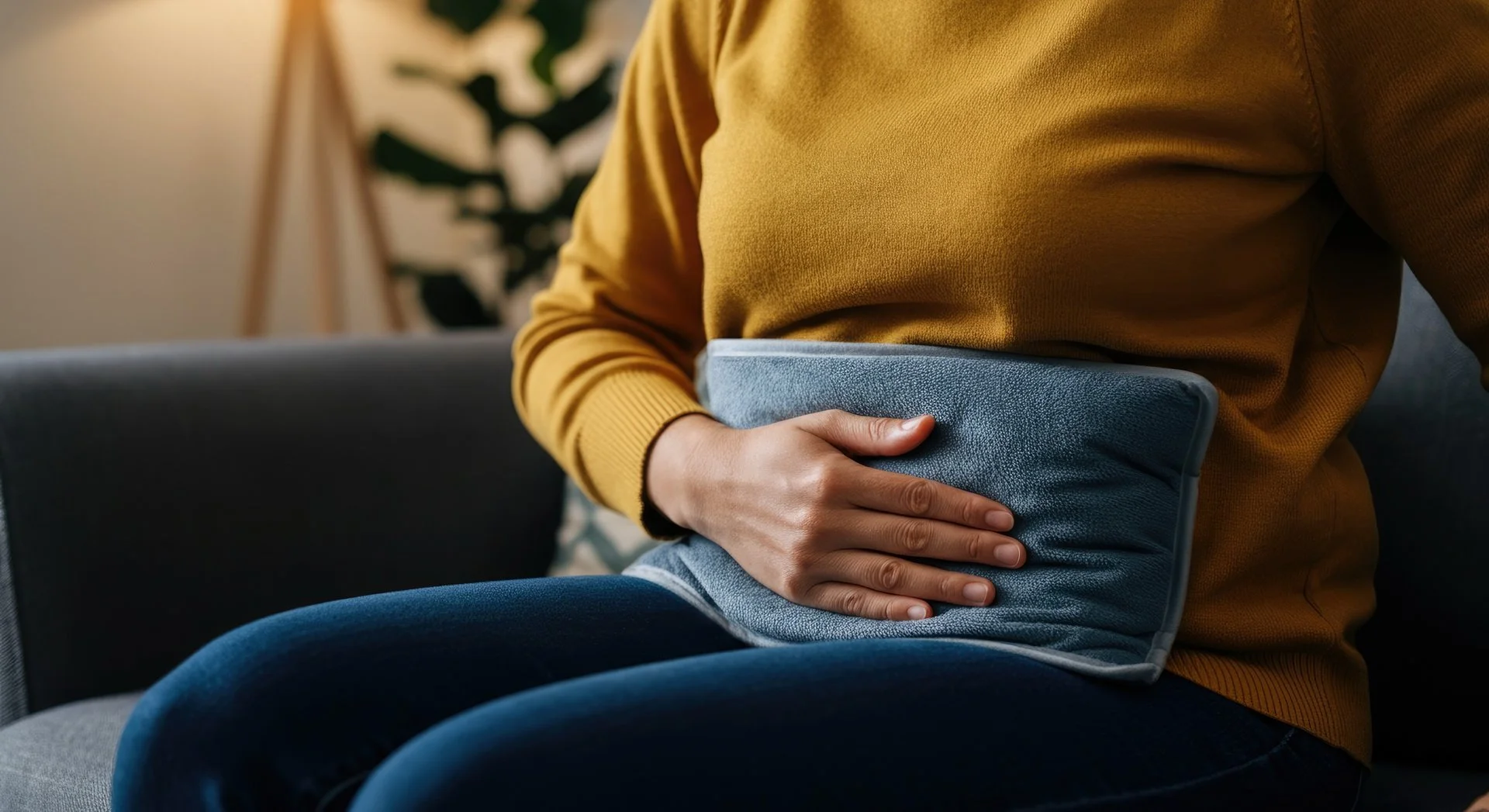
In the case of type 1 cramps, the body needs warmth, lubrication, and stabilizing nourishment to address the dominant dry and cold imbalances.
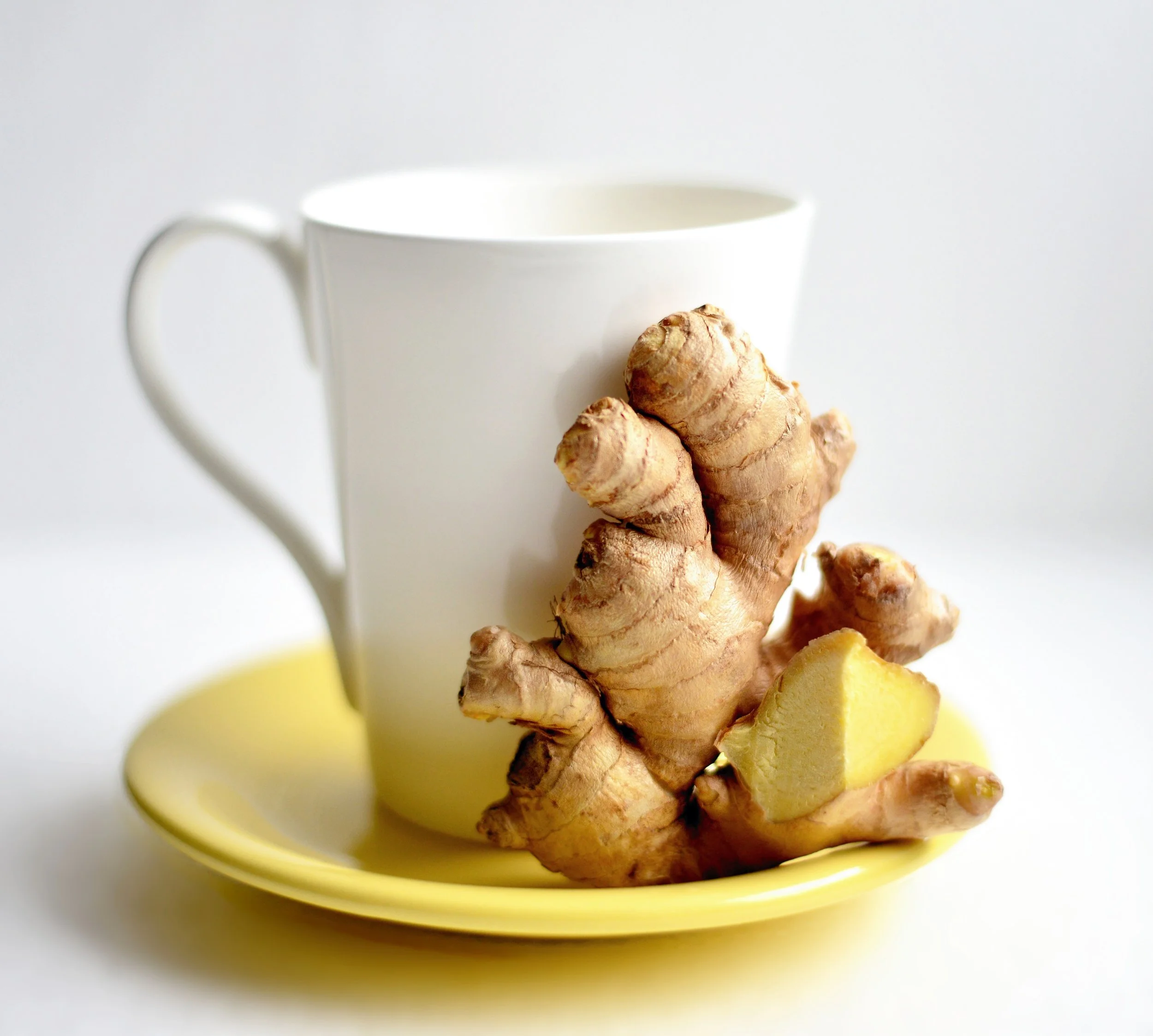
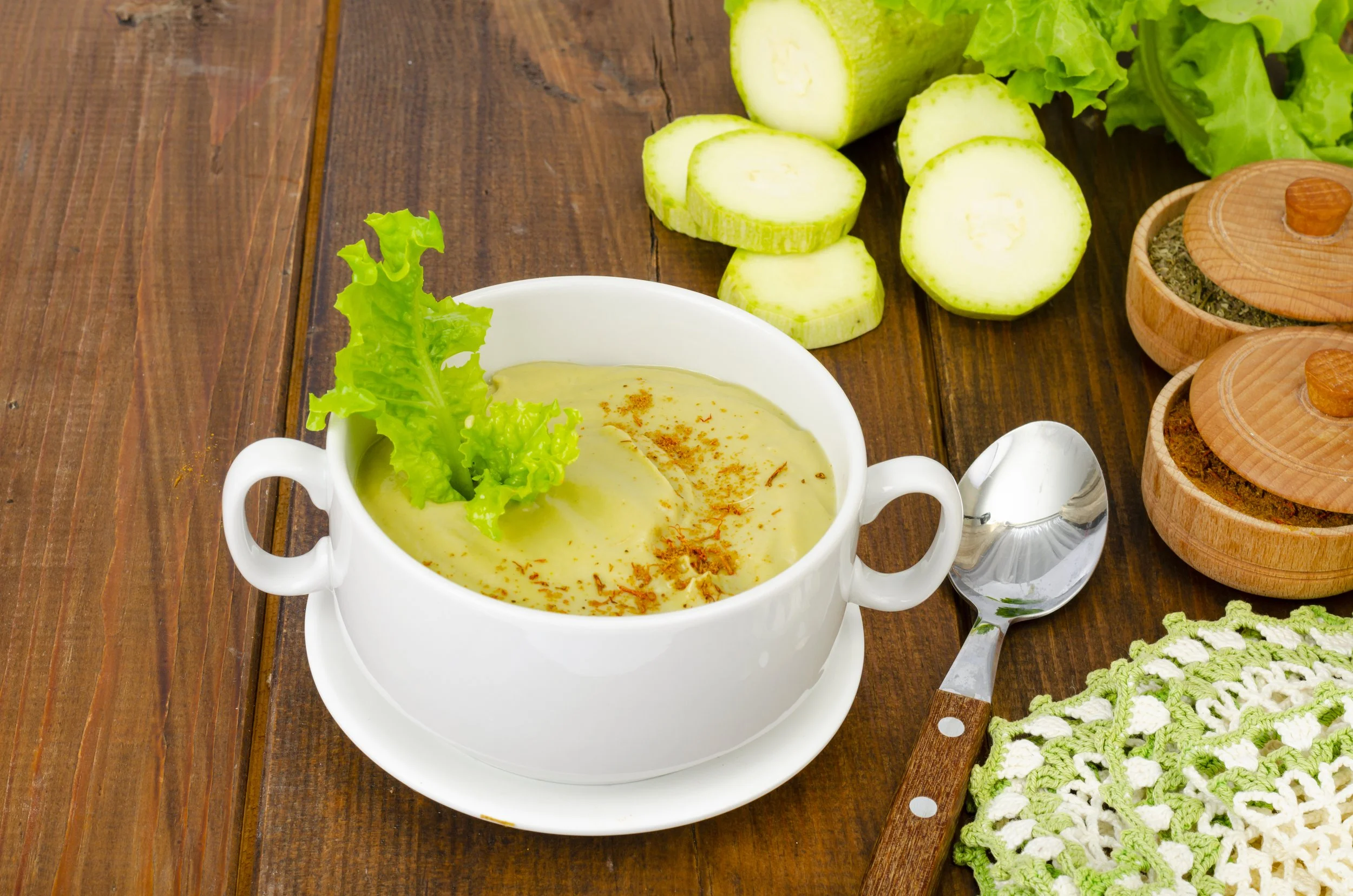
For type 2 cramps the body needs cooling, calming remedies to soften the harshness of the sharp inflammatory imbalances.
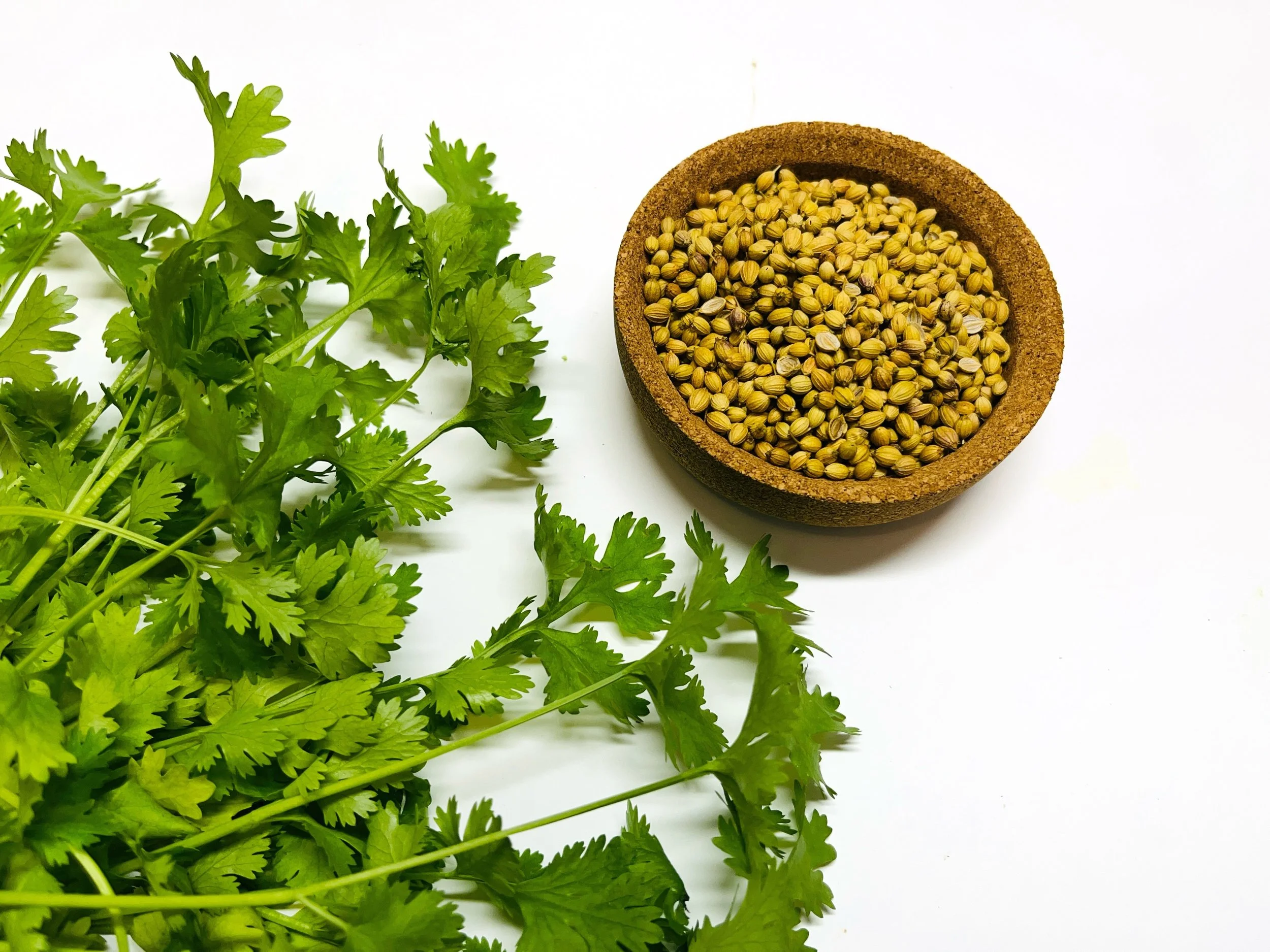
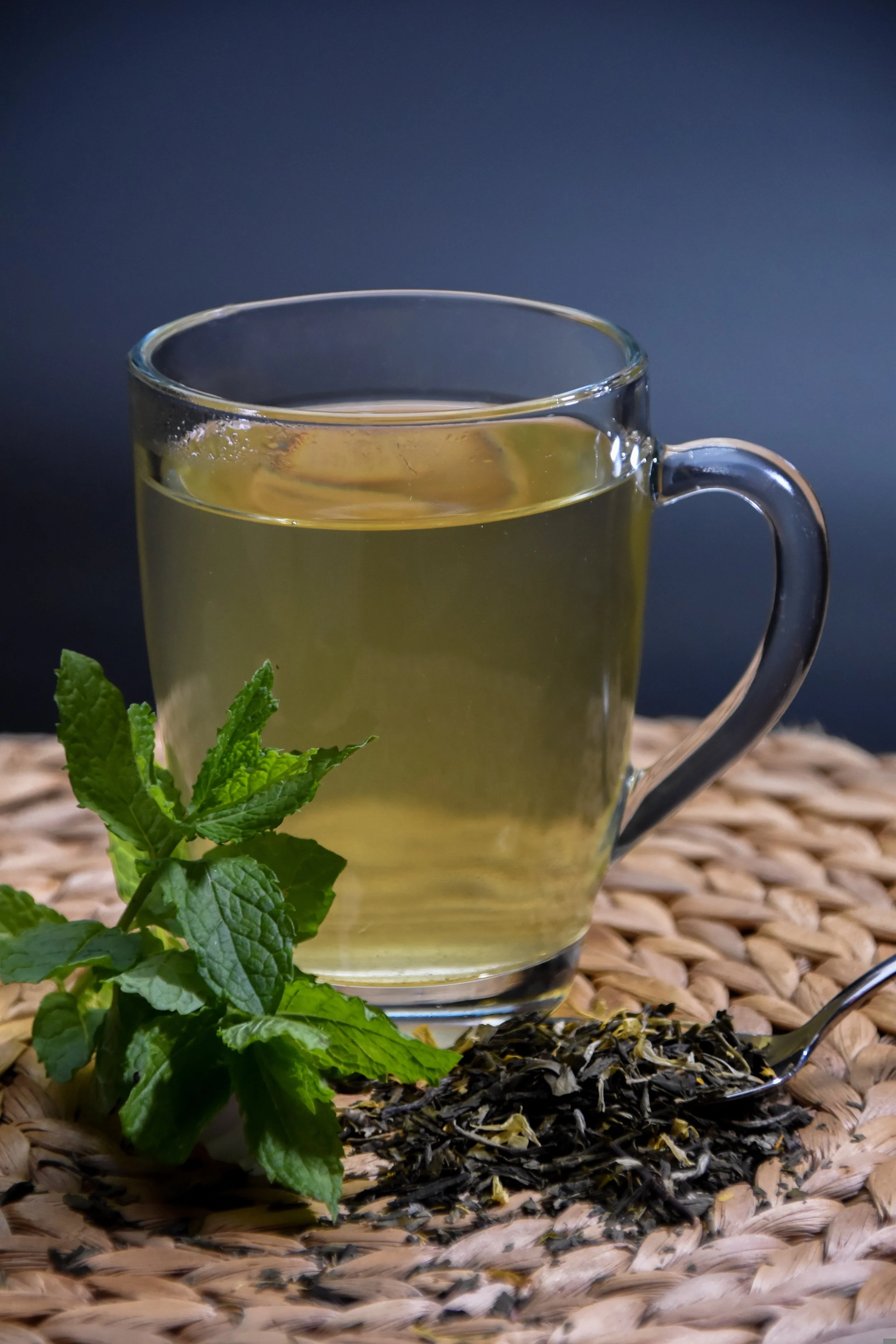

Addressing type 3 cramps involves incorporating light, purifying, and astringent qualities into the system to balance the heavy, dense, thick, and waterlogged imbalances.
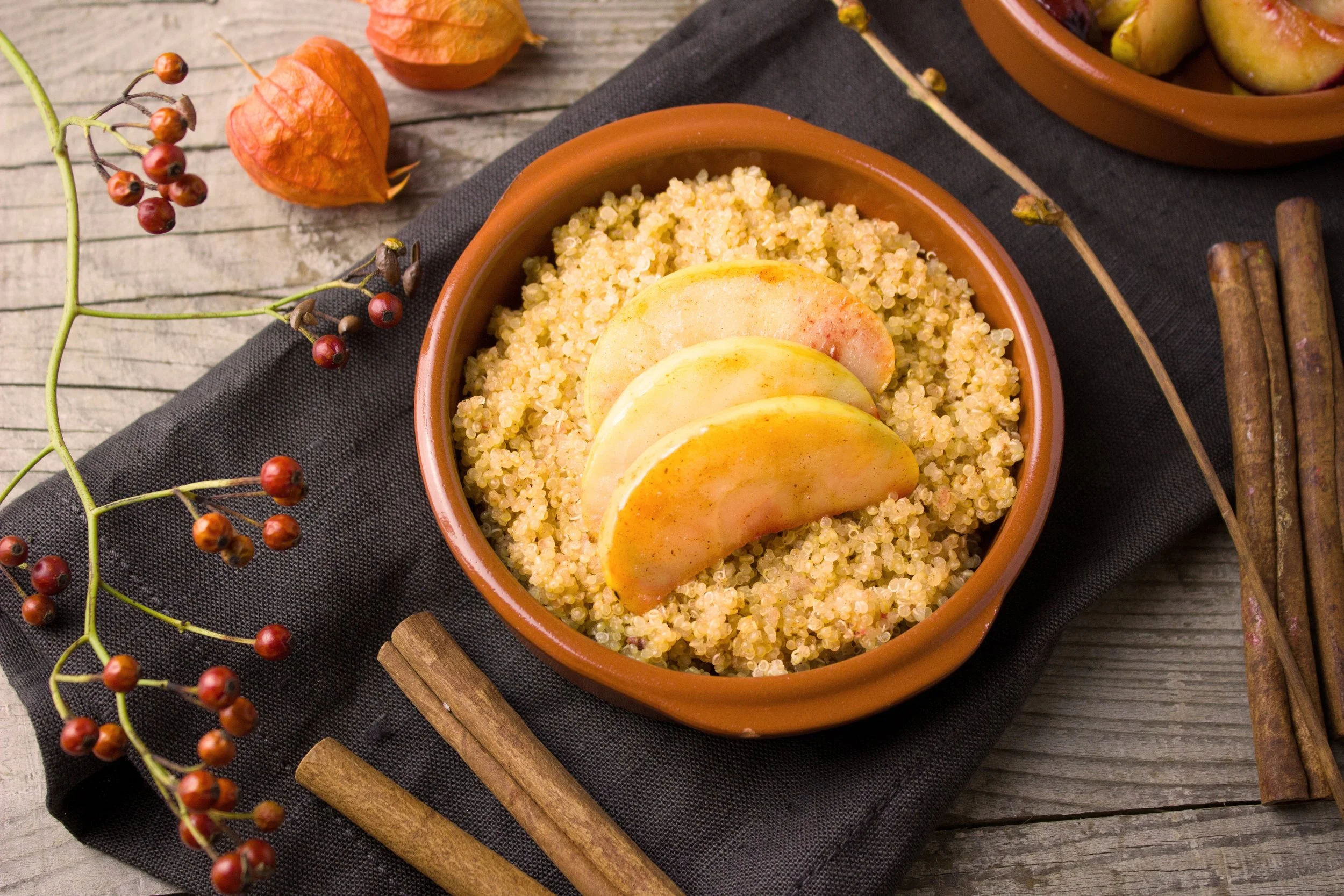
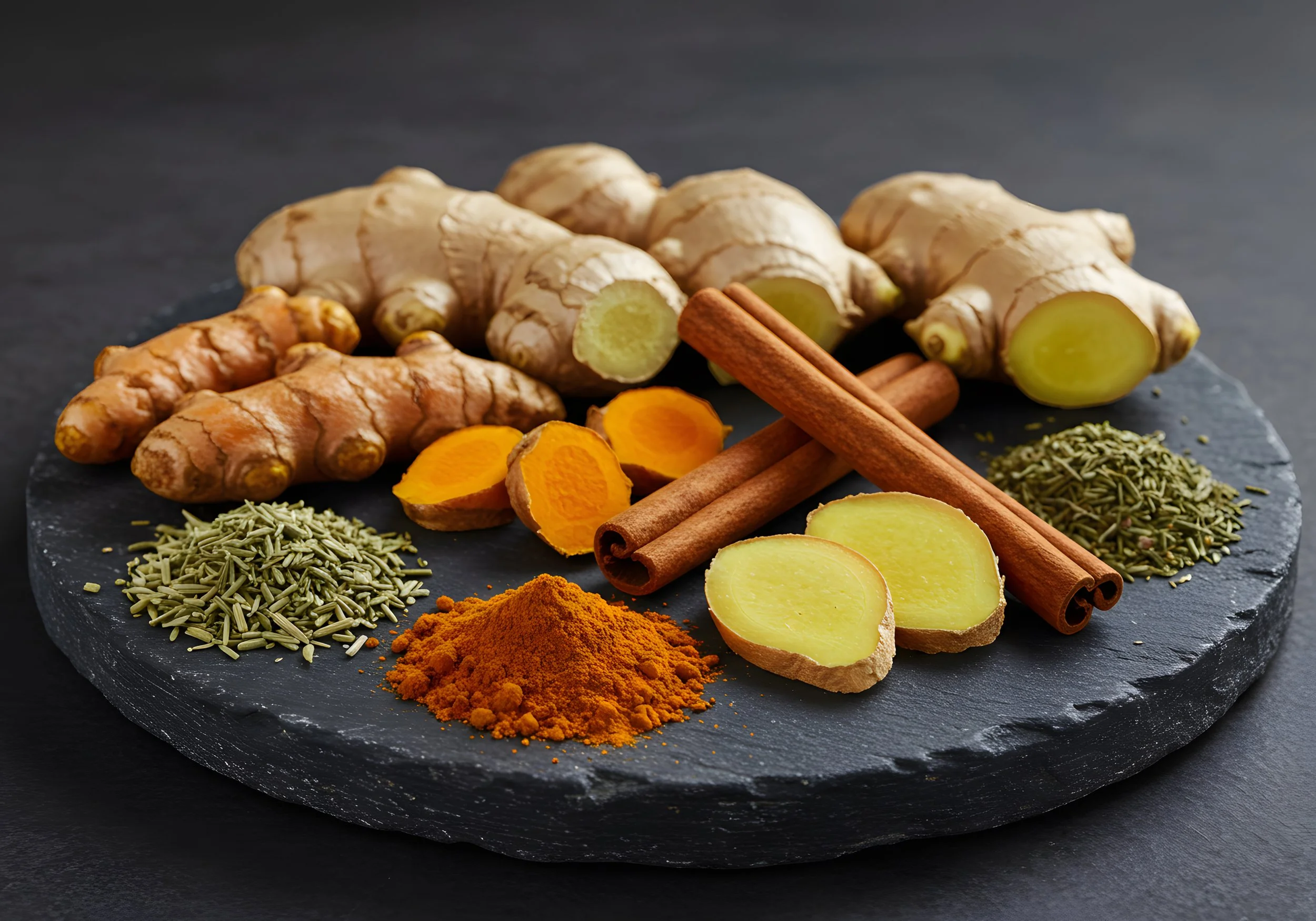
Cultivating sustainable healing related to period pain also includes an awareness of the dynamic context within which menstruation occurs. I share the poet Ntozake Shange’s urgent call for understanding the socio-cultural contexts of bleeding as expressed in her claim that “we need a god who bleeds now.” This focus on the lived reality of menstrual bleeding calls for both individual and collective consciousness of what balance and healing means for different menstruators. Today, what does it mean to menstruate while navigating stigma, material and structural inequalities, barriers to healthcare, war, and feelings of safety or lack thereof? The experience of period cramps and menstruation occurs within a matrix of circumstances that impact the extent to which one can access healing. However, the imbalances or “wounds” when incorporated as part of divine wisdom “are not the end of anything” because they serve to educate us on how to live well or continue “bleeding into life.” Could this mean, perhaps, it is possible for menstruators to bleed their way to a less tumultuous menopause experience? Now, take a moment and imagine that.
References:
1 Shange, Ntozake. From Okra to Greens : A Different Kinda Love Story : A Play With Music and Dance . Internet Archive, New York : S. French, 1 Jan. 1985, p. 37. archive.org/details/fromokratogreens00shan/page/36/mode/2up.
2 I use the term menstruator instead of women to acknowledge the reality that not all people who bleed identify as women. My work attempts to support all bleeders suffering from period pain regardless of gender identity.
3 Ní Chéileachair, Fódhla, et al. “Coping With Dysmenorrhea: A Qualitative Analysis of Period Pain Management Among Students Who Menstruate.” BMC Women’s Health, U.S. National Library of Medicine, 5 Oct. 2022, pmc.ncbi.nlm.nih.gov/articles/PMC9533282.
4 “Dysmenorrhea.” Yale Medicine, Yale Medicine, 25 Oct. 2024, www.yalemedicine.org/conditions/dysmenorrhea.
5 Itani, Rania, et al. “Primary Dysmenorrhea: Pathophysiology, Diagnosis, and Treatment Updates.” Korean Journal of Family Medicine, U.S. National Library of Medicine, Mar. 2022, pmc.ncbi.nlm.nih.gov/articles/PMC8943241.
6 Mayo Clinic Staff. “Menstrual Cramps.” Mayo Clinic, Mayo Foundation for Medical Education and Research, 30 Apr. 2022, www.mayoclinic.org/diseases-conditions/menstrual-cramps/symptoms-causes/syc-20374938.
7 Nagy, Hassan. “Dysmenorrhea.” StatPearls [Internet]., U.S. National Library of Medicine, 12 Nov. 2023, www.ncbi.nlm.nih.gov/books/NBK560834.
8 Cold in this context means lack of blood flow. The blood carries heat. When dryness causes constriction, it limits blood flow. Less blood flow means there is less blood present and therefore, less heat present.
9 Ingole, Ankita. Email Communication. Received by Jennifer Thomas, 22 May 2025.